
Partick Glasgow: History, Culture, and Modern Life in a Scottish Icon
Partick in Glasgow is one of Scotland’s most historic and character-filled areas. From the banks of the River Clyde to the lively Dumbarton Road, Partick has shaped the city’s growth through trade, shipbuilding, and community spirit. This article explores how Partick developed, its connection to figures like Patrick Harvie, its rich past as a police burgh, and how landmarks such as Partick Library and Partick Burgh Hall continue to define local life. You will learn why Partick remains one of Glasgow’s most interesting areas, where history meets progress.
Outline
- What makes Partick in Glasgow so important in Scottish history?
- How did Partick grow as a police burgh and what made it unique?
- What role did the River Clyde and shipbuilding play in Partick’s past?
- What are the origins of the name Partick and how is it linked to the kings of Strathclyde?
- How has Partick’s religious heritage shaped its identity?
- Why is Partick Library important to local culture?
- Who is Patrick Harvie and what is his connection to the Scottish Parliament?
- What historic sites and buildings still define Partick today?
- How did Partick Thistle and sport shape local pride?
- Why does Partick remain one of Glasgow’s most vibrant communities today?
What makes Partick in Glasgow so important in Scottish history?
Partick sits on the north bank of the River Clyde and has long been central to Glasgow’s growth. The area was once part of the estate belonging to the Bishops of Glasgow, showing how far back its roots stretch in old Glasgow. In 1852, Partick became known for its own identity within the wider west end of the city. Its position along Dumbarton Road connected it to Byres Road and the surrounding communities of Hyndland, Thornwood, and Whiteinch.
By 1872, Partick had developed into a thriving part of industrial Glasgow. Its mills, such as the Mill of Partick, and shipyards on the Clyde made it a major hub for employment. The area’s strong civic identity was clear in its coat of arms and the creation of the Partick Burgh Hall, which became a symbol of independence and progress.
How did Partick grow as a police burgh and what made it unique?
In 1858, Partick officially became a police burgh. This meant it had local governance responsible for law enforcement, lighting, and street maintenance. The Partick Burgh Council operated from the Burgh Hall, a building that remains an important landmark. The hall represented the pride of Partick Burgh and still hosts community events today.
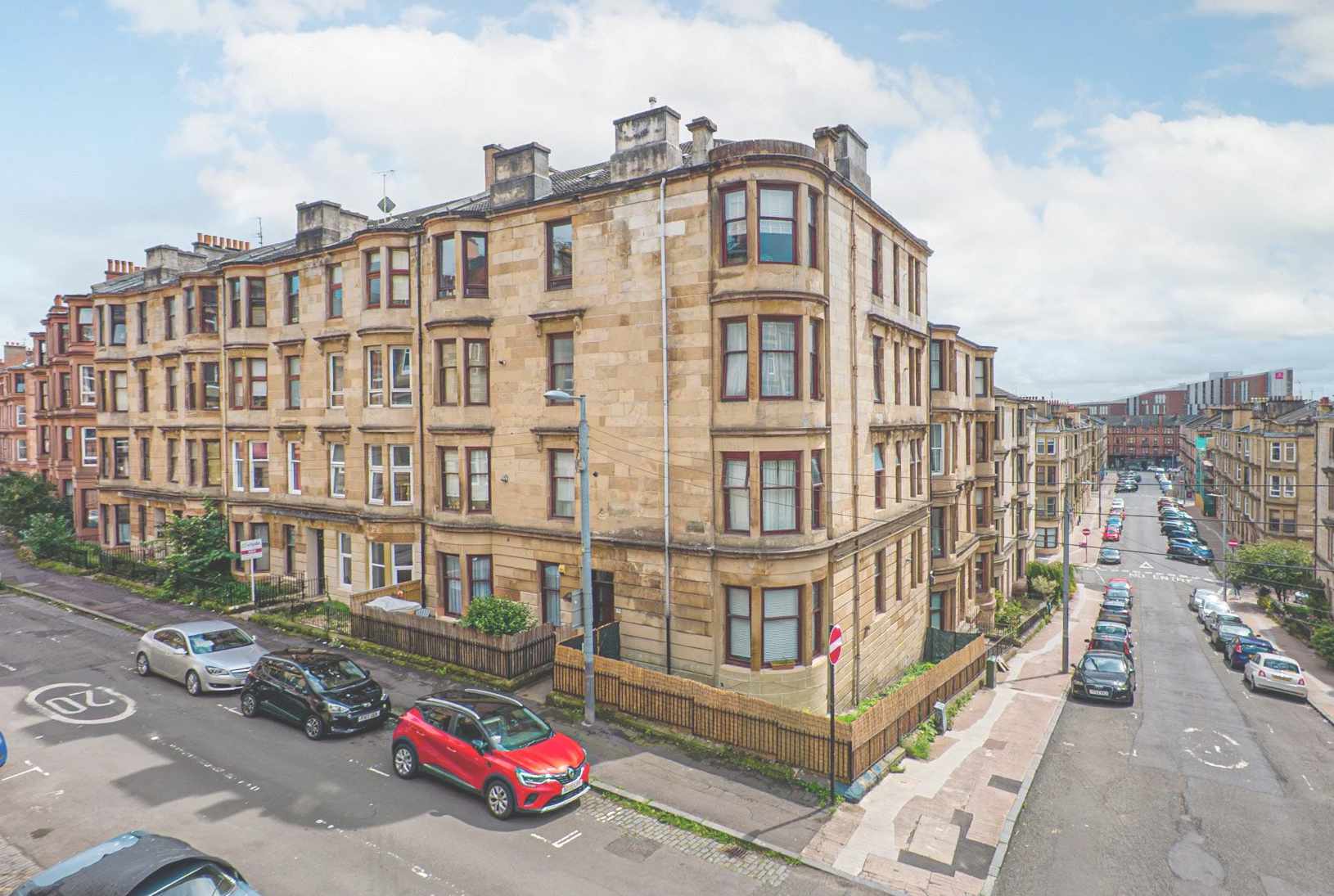
The police burgh period gave Partick a strong civic identity that continued even after it was absorbed into Glasgow in 1912. Many residents who lived in Partick at the time viewed the merger as a loss of independence, yet Partick remained culturally distinct. Its position near Govan, across the Clyde, and its connection to nearby areas such as Maryhill and Hillhead, kept it central to the city’s west side development.
What role did the River Clyde and shipbuilding play in Partick’s past?
The River Clyde was the lifeblood of Partick. Along its banks stood shipyards, engineering works, and the Meadowside Granary. Shipbuilding brought thousands of workers to the area, helping Glasgow’s industrial reputation grow across Scotland and England. The shipyards near the bank of the River Clyde and across the river at Govan defined much of Partick’s history during the 19th and early 20th centuries.
Even after shipbuilding declined, the area continued to evolve. The transformation of Glasgow Harbour, once a site of industry, into a modern residential and cultural zone reflects how Partick has balanced history with renewal. The proximity to the University of Glasgow also helped attract new generations of students and professionals to live in Partick.
What are the origins of the name Partick and how is it linked to the kings of Strathclyde?
The name Partick is believed to come from the Cumbric word “Pearraig,” meaning a little grove. The area was once a royal estate belonging to the kings of Strathclyde before passing to the Bishops of Glasgow. This deep history places Partick among Scotland’s oldest settlements.
Archaeological evidence and historical records suggest that the Mill of Partick and Partick Castle once stood near the north bank of the River Clyde. These landmarks remind us that Partick’s importance goes far beyond modern Glasgow, connecting to Scotland’s medieval past and its early Christian roots.
How has Partick’s religious heritage shaped its identity?
Partick’s churches tell much about its community life. St Peter’s Church, also known as the third oldest Catholic church in Glasgow, remains a key part of local history. St Simon’s, another church in Partick, was once described as the oldest Catholic church in Glasgow before it suffered fire damage. The area’s Gaelic-speaking population attended these churches, showing how Scots and Gaelic traditions blended in old Glasgow.
Other sites, like the Quaker burial ground on Keith Street and the Quakers graveyard near Bridge Street, reflect Partick’s diverse religious heritage. Churches in Partick were more than places of worship, they were centres of education, language, and culture.
Why is Partick Library important to local culture?
Partick Library sits near Partick Cross and remains one of Glasgow’s most used community libraries. Opened in 1925, it serves as a hub for education, learning, and public meetings. It continues the civic tradition that began with the Partick Burgh Hall and keeps local culture alive for new generations.
The library’s role extends beyond books. It connects residents from Thornwood to Dowanhill and Partickhill, offering access to resources and activities that preserve the spirit of community involvement that has always defined Partick.
Who is Patrick Harvie and what is his connection to the Scottish Parliament?
Patrick Harvie, a prominent member of the Scottish Green Party, has strong links to Glasgow. Representing the Glasgow region in the Scottish Parliament, his political work reflects many of the environmental and community-minded values that are part of modern Partick’s identity.
While Patrick Harvie may not be directly tied to Partick itself, his work in Glasgow and at the Scottish Parliament connects closely with issues that affect the area, such as sustainable housing and public transport. His focus on local action and urban development mirrors the spirit of civic responsibility that dates back to the Partick Burgh era.
What historic sites and buildings still define Partick today?
Partick is filled with historic landmarks that connect past and present. The Partick Burgh Hall, located near Dumbarton Road and Stewartville Street, remains one of the best-preserved examples of Glasgow’s civic architecture. The nearby Cottiers Theatre, housed in a converted church on Highburgh Road, adds cultural life to the west end.
Other notable spots include Hamilton Crescent, home to the West of Scotland Cricket Club, where the first international football match between Scotland and England took place in 1872. Old sites like the Meadowside Granary, Kelvingrove Park, and areas such as Yorkhill and Broomhill also remind residents how closely Partick is tied to Glasgow’s broader development.
How did Partick Thistle and sport shape local pride?
Partick Thistle, originally formed near the Mill of Partick, remains a symbol of local pride. Although the club later moved to Maryhill, many fans still trace its identity to Partick’s roots. Sports such as cricket also have a strong link here, with the West of Scotland Cricket Club based at Hamilton Crescent, another historic site in the area.
The club’s history and connection to the first international football match make Partick an important place in the story of Scottish sport. These sporting links helped unite the community through both social and civic pride.
Why does Partick remain one of Glasgow’s most vibrant communities today?
Partick’s modern character is shaped by its mix of students, professionals, and long-term residents. With Partick Station offering excellent railway and subway links, access to Dumbarton Road’s cafes and shops, and proximity to Kelvingrove and the university, the area of the city continues to thrive.
Despite urban change, Partick remained connected to its history. Streets like Benalder St, Purdon Street, and Crow Road hold echoes of old Glasgow, while redevelopment across the Clyde keeps the area looking forward.
Key Points to Remember
- Partick in Glasgow has deep historical roots dating back to the kings of Strathclyde.
- It became a police burgh in 1858 and joined Glasgow in 1912.
- The River Clyde and shipbuilding shaped much of its early growth.
- Religious sites like St Peter’s and St Simon’s reflect Gaelic and Catholic heritage.
- Landmarks such as Partick Burgh Hall and Partick Library preserve civic traditions.
- Patrick Harvie’s work in the Scottish Parliament links modern Glasgow to environmental reform.
- Sports history includes Partick Thistle and the first international football match at Hamilton Crescent.
- Partick’s mix of culture, transport, and community keeps it one of Glasgow’s most desirable areas.