
If your home sits on an unadopted road in Scotland, it can affect everything from everyday maintenance to how easy it is to sell. This guide walks through what it really means in practice, what you might be responsible for, and how companies like Sell My House Fast in Scotland can help if you are worried about selling.
What does “unadopted road” actually mean in Scotland?
In Scotland, an unadopted road is usually a road that the local roads authority does not have a duty to maintain at public expense under the Roads (Scotland) Act 1984. The road may still be used by the public, and there may even be a public right of passage, but it is not on the official list of public roads maintained by the council.
In many cases, this type of road sits on private land owned by one or more homeowners, or by a third-party landowner such as a developer or an old estate. You might hear people call it a “private road” or “private track”, but the key point is that the council is not obliged to repair it, even if bin lorries and delivery vans use it every day.
Who is responsible for maintaining an unadopted road?
For most people, the biggest concern is who has to pay when the surface starts to break up or potholes appear. Under the Roads (Scotland) Act 1984, the general position is that maintenance responsibility falls on the owners of the land or property fronting or abutting the road – often called “frontagers”. That means the people whose boundaries touch the road are usually expected to contribute to the upkeep.
In practice, this can feel a bit vague. Sometimes the road is owned by one owner (for example, the original estate) and the adjoining homeowners simply have a right of way along it, with an obligation in their deeds to contribute towards repairand maintenance. In other cases, each property owner owns a slice of the road or the road as a whole is shared between the homeowners, and they have to agree on how to maintain it and how the cost is split.
Does the council ever help with private road maintenance?
The starting point is that the council, as the local roads authority, has no automatic duty to maintain a private or unadopted road. That often comes as a surprise, because people assume council tax covers every road outside their front door, but that is not how the legislation is set up.
However, section 14 of the Roads (Scotland) Act 1984 allows a local authority to contribute towards the upkeep of an unadopted road, or to carry out works, if it chooses. This is a discretionary power, not a right you can insist on, and some councils publish policies explaining when they might step in and what condition the road needs to be in for them to consider it. Even where they do some work, they are not normally liable for long‑term maintenance unless and until the road is formally adopted.
How do I confirm if my road is adopted or unadopted?
If you are buying in Scotland, or thinking about selling, it is wise to check the status of the road early on rather than relying on assumptions. Most councils hold a “list of public roads” that shows which stretches are adopted; you can often review this online or by contacting the roads or transport team at your local authority.
A property solicitor acting in a purchase or sale will usually ask the council to confirm whether a particular road is an adopted road or a private road, and will look at the title deeds to see who owns the surface and subsoil. If you are not sure, a quick conversation with a specialist Scottish property solicitor is usually money well spent, particularly where a lender is involved, and you want to avoid any last‑minute surprises.
What access rights do I actually have over an unadopted road?
Living on an unadopted road does not automatically mean you can drive over it just because it looks like a road. Legally, you need to have some form of right of way or servitude granting access to your property across that land. In many modern developments, this is built into the deeds, but with older estate roads, it can be murkier.
There may be a public right of passage if the road meets the definition of a “road” in Scottish law, or it may be purely private, with only the neighbouring homeowners allowed to use it. Your solicitor should look for express rights in the title or deed, and where wording is missing or unclear, they may advise getting specialist advice or negotiating a formal agreement with the landowner before you complete a purchase.
What ongoing costs and liabilities should I expect?
For many homeowners, the real issue is the potential cost of putting things right if the surface deteriorates or if the drainage fails. Because the council is not obliged to maintain an unadopted road, the people whose land or propertyfronts it may have to organise and pay for resurfacing, repair of potholes, and sometimes for upgrading drainage or lighting if those are included in their obligation.
Your responsibility will depend on the exact wording in your deeds and any past practices between neighbouring owners. In some situations, the local authority has powers to insist that frontagers bring a track up to a safe condition where there is a danger to traffic, and may recharge the liability to the homeowners afterwards. This is one reason why careful due diligence on an unadopted road is an important part of buying a house, especially if lenders are becoming stricter about this kind of address.
Can the council adopt my private road in future?
Many people ask whether their private road can be “taken over” by the council. Under the Roads (Scotland) Act 1984, a local roads authority may adopt new roads or existing private roads, but usually only once they have been “made up” to an adoptable standard. The adoption process often involves a build-to-standard, proper drainage, and sometimes a bondor application process, particularly where a developer has created a brand new estate road.
In practice, this means the frontagers or the developer usually have to pay for the works to get the road into good condition before the local authority will consider taking it onto the list of public roads. There is no automatic right to insist that the council adopt your road, and decisions often depend on policy, budget and how the local authority balances different priorities.
How does being on an unadopted road affect selling your home?
From a selling point of view, an unadopted road in Scotland does not automatically make a property unsellable, but it can slow things down. Buyers, their solicitor and their lender will all want clarity around access, right of way, ownership of the land, and who has to pay for future repair and maintenance. If the road is in poor condition, that can obviously put people off or prompt them to negotiate on price.
This is where a company like Sell My House Fast in Scotland can sometimes be a useful option. Instead of worrying about how an unadopted road will play with multiple viewers and surveyors, you can speak directly to a buyer who understands these quirks and can factor them into a straightforward cash offer. Sell My House Fast in Scotland deals with Scottish law and Scottish road issues every day, so they are used to working around these kinds of title questions and lender concerns.
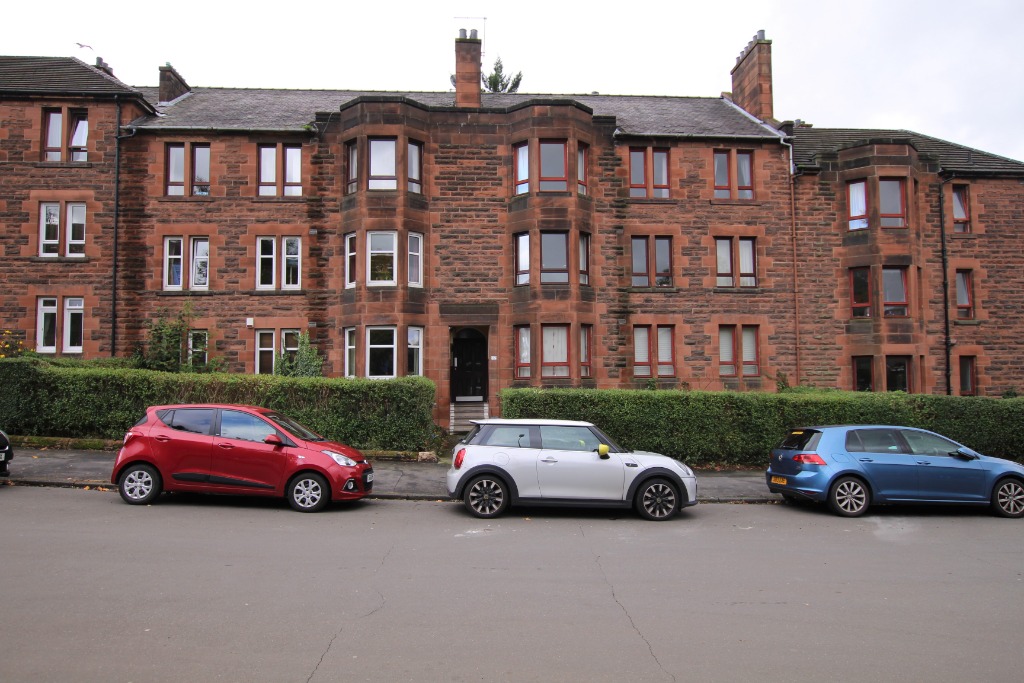
Is buying a house on an unadopted road always a problem?
For many buyers, living on an unadopted road is more of a practical nuisance than a legal drama. As long as the road is in reasonably good condition, your right of way is properly documented, and there is a sensible arrangement for upkeep, life can carry on quite happily. In more rural parts of the UK, for example, it is very common to reach cottages and farmhouses along private tracks that have been managed by residents for years.
Where things get more difficult is if the road surface is failing, the contract and deeds are silent on who should pay, or you have one neighbour who refuses to contribute to repair and maintenance. Lenders have also become more cautious about buying a house served only by an unadopted road, so if there are gaps in the paperwork, that can cause delays or even refusals. None of this is necessarily a deal‑breaker, but it is a reason to tackle the issues with your solicitor early.
How can Sell My House Fast in Scotland help if my road is unadopted?
If you already own a property on an unadopted road and are worried that buyers will run a mile, it may be reassuring to know that specialist house‑buying firms see this all the time. A team like Sell My House Fast in Scotland will look at the title, any section 14 or 16 act points, and the overall condition of the access, then make a realistic cash offer that reflects the situation without asking you to fix everything first.
For many sellers, the appeal is the ability to move on without having to organise repair works, argue with neighbours about who is responsible, or wait for a council review of its unadopted policy. If you feel stuck because of a private road issue or a public right question, having one committed buyer who understands Scottish property quirks can be a weight off your mind. There is usually no permission or planning hurdle about the road itself, just to sell; the question is simply how the buyer chooses to handle it.
What should I discuss with my solicitor or a specialist buyer?
When you sit down with a Scottish conveyancing solicitor, or when you speak to Sell My House Fast in Scotland, it is sensible to cover a few key points. Who owns the land under the road, exactly what rights of access your deeds grant you, and whether there is any written arrangement on how to maintain and repair the surface are all important. You will also want to know if the council has ever taken action, or hinted at future adoption, if the road is brought up to a certain standard.
If you would prefer not to spend months unpicking all this, you can simply get in touch with Sell My House Fast in Scotland for a no‑obligation chat. They can talk through your specific address, look at the condition of the road and the estate, and tell you frankly how much impact it is likely to have on a sale. Having that clear picture can make the difference between feeling stuck and feeling ready to move on.
Key points to remember
- An unadopted road in Scotland is usually a private road; the council is not obliged to maintain it under the Roads (Scotland) Act 1984.
- Maintenance and repair are generally the responsibility of owners of land or property fronting or abutting the road, often under wording in the deed or title.
- You should always check adoption status, ownership, right of way, and obligation to pay for upkeep as part of your due diligence when buying or selling.
- Councils have limited, discretionary powers to contribute to works or adopt a private road once it is in good condition, but there is no automatic right to insist on this.
- If you feel your unadopted road is making a sale difficult, speaking to Sell My House Fast in Scotland about a straightforward cash offer can be a practical way forward, without you having to sort every track and highwayissue first.