
Owning a listed building or a home in a conservation area can be a real source of pride. Period features, traditional stonework and a protected streetscape are exactly what many buyers are looking for. When it comes to selling, though, owners often worry that the extra rules will put buyers off, slow things down or expose old alterations that were never properly approved.
The short answer is that you can sell a listed property or a home in a conservation area in Scotland in the same way as any other home. Listing and conservation area status do not stop a sale, but they do control what can be changed, and your buyer’s solicitor will check that any past works had the right consents. This guide explains how listing works, what conservation areas mean in practice, the costs and consents involved, and how to prepare so the sale runs smoothly.
Key points at a glance
- Listing is common: there are around 47,000 listed buildings in Scotland, designated by Historic Environment Scotland in categories A, B and C.
- Listing covers more than the front: unless the listing says otherwise, it includes the interior, extensions, attached structures and other structures within the curtilage.
- Consent matters: works that affect a listed building’s character need listed building consent from the council. Doing them without consent is a criminal offence.
- No time limit: unlike ordinary planning breaches, unauthorised works to a listed building never become immune from enforcement.
- Conservation areas add controls: demolishing an unlisted building needs conservation area consent, and many householder permitted development rights are restricted.
- Preparation pays: gathering consents, warrants and completion certificates before you market the property avoids delays later.
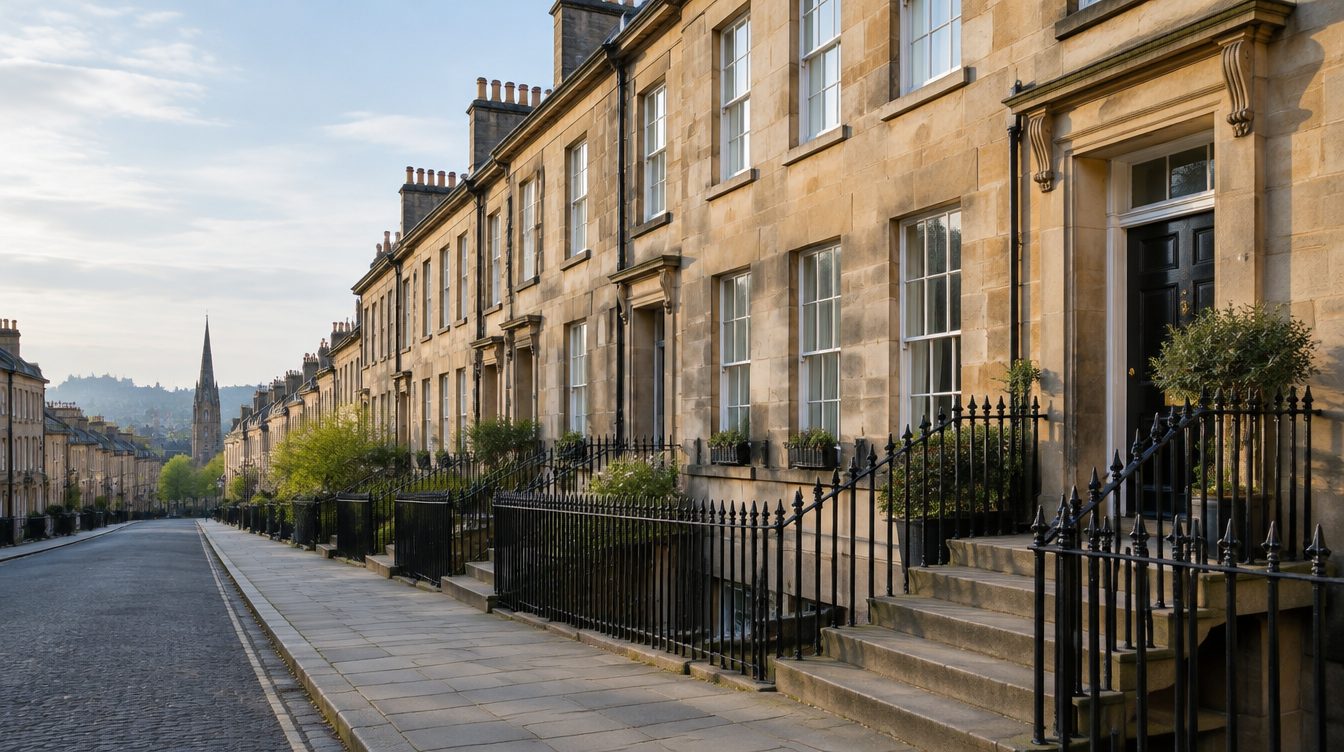
How do you know if your property is listed or in a conservation area?
Many owners already know, but it is surprisingly common for people to discover their home is listed only when they apply for planning permission or start to sell. There are a few simple ways to check:
- Historic Environment Scotland: every listed building has an individual listed building record, which you can search online through the Historic Environment Scotland portal. The record includes the statutory address, the category and a description.
- Your council: each planning authority publishes maps of its conservation areas, along with any appraisals and Article 4 directions that apply.
- Conveyancing searches: the property enquiry certificate your buyer’s solicitor orders will normally confirm whether the property is listed or in a conservation area.
Your title deeds will not always mention listing, so do not rely on them alone. If you are unsure, check before you put the property on the market so there are no surprises for you or your buyer.
What do listed building categories A, B and C mean?
Buildings are listed under the Planning (Listed Buildings and Conservation Areas) (Scotland) Act 1997 because of their special architectural or historic interest. Historic Environment Scotland places each one in a category that reflects its relative importance.
| Category | What it means | How it affects you |
|---|---|---|
| Category A | Outstanding examples of a particular period, style or building type | Changes receive the closest scrutiny, and the council will be especially cautious about alterations |
| Category B | Major examples of a particular period, style or building type | Listed building consent is needed for works affecting character |
| Category C | Representative examples of a period, style or building type | Often simpler traditional buildings, but the legal requirement for consent is exactly the same |
The categories are advisory. They influence how a building is managed in the planning system, but the need for listed building consent applies to all three. A Category C cottage is protected by the same law as a Category A mansion.
What does a listing actually cover?
A common misunderstanding is that only the front of the building is protected. Historic Environment Scotland explains that, unless the statutory address in the listing says otherwise, a listed building includes its interior as well as its exterior, any extensions and other structures attached to it. Structures within the curtilage that are not attached, such as some boundary walls, gate piers and outbuildings, can also be covered. Before you plan any work, or describe the property to buyers, read the listed building record carefully.
When do you need listed building consent?
Listed building consent is needed for any works to demolish a listed building, or to alter or extend it in a way that would affect its character as a building of special architectural or historic interest. You apply to your local planning authority, and the requirement covers the inside as well as the outside. Original fireplaces, cornicing, staircases, internal doors and timber sash and case windows can all be part of what makes a building special.
Like for like repairs using matching traditional materials do not usually need consent, but the line between repair and alteration is not always obvious. If in doubt, ask the council’s conservation officer before any work starts. Listed building consent is also separate from planning permission and from a building warrant, so a single project can need all three.
| Typical work | Listed building | Unlisted home in a conservation area |
|---|---|---|
| Replacing windows or doors | Listed building consent usually needed, especially for a change of design or material | Planning permission may be needed, particularly where an Article 4 direction applies |
| Internal alterations such as removing walls or fireplaces | Consent likely if the works affect character | Usually no planning consent needed for internal work |
| Extensions and dormers | Listed building consent, planning permission and a building warrant | Planning permission more likely to be needed because permitted development rights are restricted |
| Demolition of the building or part of it | Listed building consent | Conservation area consent for an unlisted building |
| Solar panels, satellite dishes and similar | Consent likely, particularly on visible elevations | Planning permission may be needed |
| Like for like repairs with matching materials | Usually no consent, but check first | Usually no consent needed |
The table is a general guide only. Rules vary with the exact works and with local policies, so always confirm with your council before you commit. Our guide to selling a house with an extension and no building warrant explains how the building standards side works.
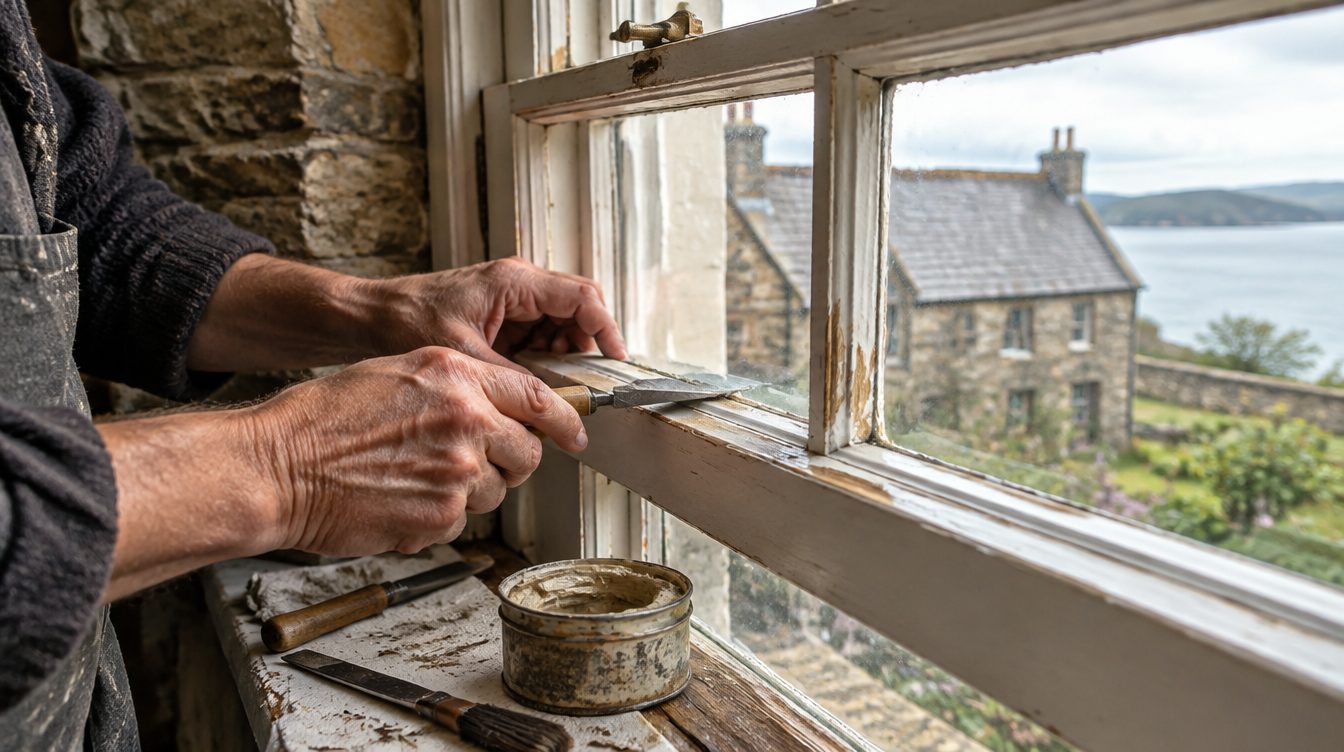
What happens if works were carried out without consent?
This is the issue that most often causes problems when a listed property is sold. Under section 8 of the 1997 Act, carrying out works to a listed building that affect its character without listed building consent, or failing to comply with a condition of a consent, is a criminal offence. On summary conviction the penalty can be up to six months in prison, a fine of up to £50,000, or both. On conviction on indictment it can be up to two years in prison, an unlimited fine, or both.
The council can also serve a listed building enforcement notice requiring the works to be reversed or put right. Crucially, unauthorised works to a listed building can never become immune from enforcement action. The four and ten year time limits that apply to ordinary planning breaches, which we explain in our guide to outstanding planning enforcement notices in Scotland, do not help here. That means a buyer can inherit a problem created by an owner decades ago.
- Retrospective consent: it is possible to apply for listed building consent for works that have already been carried out, but approval is not guaranteed and the council may ask for changes.
- Repairs notices: if a listed building is not being properly maintained, the council can serve a repairs notice on the owner. In the most serious cases this can lead to compulsory purchase of the property.
- Missing paperwork: alterations that are not reflected in the title or in any consents can also raise questions, as covered in our guide to selling with structural alterations not shown on the title plan.
Good to know: do not rush to “tidy up” a listed home before selling. Swapping original timber sash windows for uPVC or ripping out old features to modernise the property could itself be an offence, and it may reduce the appeal of the home to the buyers most interested in it. Speak to the council’s conservation officer before any work.
What does living in a conservation area mean?
A conservation area is an area of special architectural or historic interest whose character or appearance it is desirable to preserve or enhance. Conservation areas are designated by local planning authorities under section 61 of the 1997 Act, and they range from city centre districts, such as large parts of Edinburgh, to small village cores.
Your home does not need to be listed to be affected. The main controls are:
- Demolition: demolishing an unlisted building in a conservation area needs conservation area consent from the planning authority under section 66 of the 1997 Act.
- Permitted development: Scottish Government guidance warns that if you live in a conservation area you may need planning permission for works that would otherwise be permitted development, such as some extensions and external alterations.
- Article 4 directions: some councils have made Article 4 directions that remove further permitted development rights in particular conservation areas, often covering things like windows, doors, roofs and boundary walls.
- Trees: you must give the planning authority notice before cutting down, topping or lopping most trees in a conservation area. The work can then normally go ahead after six weeks, unless the council acts to protect the tree.
For buyers, these rules are usually part of the appeal of the area rather than a drawback. They do mean that any extension, new windows or other external changes made in recent years should be supported by the right paperwork.
What about VAT, grants and running costs?
Owners are sometimes told that work on a listed building is free of VAT. That has not been true for many years. Since 1 October 2012, approved alterations to listed buildings have been subject to VAT at the standard rate, just like repairs and maintenance, as HMRC confirms in its VAT construction guidance.
Grant funding is limited and competitive. Historic Environment Scotland runs funds including its Historic Environment Grants Fund and the Heritage and Place Fund, which supports long term, area based programmes, as well as a Householder Thatching Materials Grant for thatched buildings. Some councils run local repair grant schemes for privately owned historic buildings through these area programmes, so it is worth asking your council what is available.
Running costs can also be higher. Traditional materials, specialist tradespeople and the need for consent all add time and money, and older homes often have lower energy ratings. Our guide to Energy Performance Certificates when selling in Scotland explains what buyers will see.
How does listed or conservation area status affect selling?
In many cases, very little. Period homes in attractive conservation areas are often in demand, and listing can be a selling point. The practical impact is mostly about paperwork and condition.
- Consents for past works: your buyer’s solicitor will ask for listed building consent, planning permission, building warrants and completion certificates for any alterations. Missing consents are the biggest cause of delay.
- The Home Report: older buildings often show repairs in the single survey, such as stonework, roofs, damp or timber issues. If yours does, read our guide on what to do when a Home Report highlights major problems.
- Lenders and insurers: lenders look closely at the condition of older homes, and significant disrepair or unauthorised works can affect a buyer’s mortgage. Some owners also need specialist buildings insurance.
- Shared buildings: many listed properties are flats in traditional tenements, where common repairs and factor arrangements also need to be clear. See our article on selling a flat with a notice of potential liability for costs.
- Value: the effect on price depends on condition, location and any unresolved issues. Our guide to what can reduce the value of a house in Scotland looks at the wider picture.
How to prepare a listed or conservation area home for sale
- Confirm the status: check the listed building record and your council’s conservation area maps so you can describe the property accurately.
- List every alteration: note extensions, new windows, internal changes and outbuildings, with approximate dates and who carried them out.
- Gather the paperwork: collect listed building consents, planning permissions, building warrants and completion certificates. Our checklist of documents you need to sell a house in Scotland will help.
- Identify gaps early: if consent is missing, talk to your solicitor and the council’s conservation officer before marketing, not halfway through the missives.
- Be honest with buyers: disclosing known issues upfront builds trust and reduces the risk of a late collapse. See our guide on what you must disclose when selling in Scotland.
- Think before repairing: some repairs need consent and specialist trades. Our article on whether you need to fix repairs before selling can help you decide.
Can a cash buyer help with a listed or conservation area property?
If your property has unauthorised alterations, needs costly specialist repairs or simply is not attracting the right buyer, a cash sale can take some of the pressure off. There is no buyer’s mortgage lender to satisfy and no chain, and the condition of the property and any consent issues are reflected in the offer rather than becoming a reason for the sale to fall through.
At Sell My House Fast in Scotland, we help homeowners sell quickly at a fair price with a cash offer, no viewings and a date of entry that suits you. It is worth understanding what selling to a cash buyer really costs, and what happens once you accept a cash offer.
Frequently asked questions
Can I sell a listed building in Scotland?
Yes. A listed building can be sold in the same way as any other property. The buyer becomes responsible for it, so their solicitor will want to see consents for past alterations and will check whether any enforcement or repairs notices affect it.
Does listing reduce the value of a house?
Not necessarily. Many buyers value period character and protected surroundings. Value is more likely to be affected by poor condition, unauthorised alterations or very high maintenance costs than by listing itself.
Do I need consent to replace the windows in a listed building?
Usually, yes. Windows are often an important part of a listed building’s character, so replacing them, especially with a different design or material, normally needs listed building consent. Like for like repairs may not, but check with the council first.
A previous owner altered my listed home without consent. What can I do?
Speak to your solicitor and the council’s conservation officer. Options can include applying for consent for the works retrospectively or putting them right. Because there is no time limit for listed building enforcement, it is better to deal with it openly than to hope it will not be noticed.
Is there a VAT discount on work to a listed home?
No. Since 1 October 2012, approved alterations to listed buildings have been standard rated for VAT, in the same way as repairs. Speak to a tax adviser about your own project.
Can I cut down a tree in my garden if I live in a conservation area?
Most trees in conservation areas are protected. You must give the planning authority notice before cutting down, topping or lopping them, and the work can normally only go ahead after six weeks unless the council agrees sooner. Trees with a tree preservation order need consent.
Selling a listed or period home?
Get a free, no obligation cash offer for your property, whatever its age, category or condition. No viewings, no chain and a date of entry that suits you.
